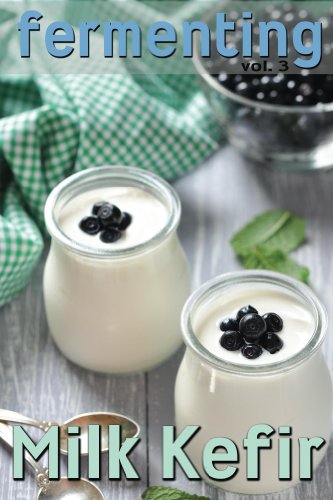
Fermenting vol. 3: Milk Kefir
Product Description
Fermenting vol. 3: Milk Kefir
<h2>You can add probiotic bacteria to your diet by making and drinking milk kefir.</h2><br /><br />Milk kefir is a powerful probiotic beverage packed full of beneficial bacteria. It's made by adding kefir grains to milk (or many other non-dairy liquids) and letting it ferment for 24 to 48 hours at room temperature. The end result is a tasty beverage the consistency of thin yogurt that can be consumed on its own or mixed with a number of other ingredients to make delicious probiotic foods and beverages.<br /><br /><b>This helpful guide covers the following items:</b><ul><li>What Milk Kefir is and how it's made.</li><li>The history of milk kefir.</li><li>Milk kefir grains and why they're important.</li><li>How to care for and store milk kefir grains.</li><li>The fermentation process.</li><li>Yogurt vs. kefir.</li><li>The health benefits of milk kefir.</li><li>What types of milk work best to make kefir.</li><li>Kefir culturing vessels.</li><li>Milk kefir as a sourdough starter.</li></ul><br /><b>The following milk kefir recipes are included in the book:</b><ul><li>Traditional milk kefir.</li><li>Vanilla milk kefir.</li><li>Sweet maple kefir.</li><li>Citrus kefir.</li><li>Cocoa spice kefir.</li><li>Rise and shine kefir.</li><li>Kefir protein power shake.</li><li>Kefir raspberry flaxseed fiber booster.</li><li>Sweet lavender milk kefir.</li><li>Sweet raspberry milk kefir.</li><li>Strawberry banana kefir smoothie.</li><li>Strawberry lime kefir smoothie.</li><li>Watermelon slush kefir smoothie.</li><li>Pina colada kefir.</li><li>Pumpkin pie kefir.</li><li>Kefir egg nog.</li><li>Chai-infused kefir.</li><li>Kefir chocolate pudding.</li><li>Kefir peanut banana pudding.</li><li>Kefir cottage cheese.</li><li>Kefir banana peach breakfast.</li><li>Kefir and granola.</li><li>Fizzy kefir.</li><li>Kefir creamy fruit juice soda.</li><li>Kefir Italian Soda.</li><li>Cinnamon milk kefir.</li><li>Cocoa cherry fizzy kefir.</li><li>Strawberry milkshake kefir.</li><li>Orange creamsicle kefir.</li><li>Kefir cultured cream.</li><li>Kefir cultured butter.</li><li>Kefir cultured ice cream.</li><li>Cultured cream cheese.</li><li>Cultured ranch dressing.</li><li>Kefir fruit dip.</li><li>Kefir guacamole.</li><li>Kefir cream frosting (vanilla and chocolate).</li><li>Coconut milk kefir.</li><li>Coconut meat kefir spread.</li><li>Almond milk kefir.</li><li>Rice milk kefir.</li><li>Fizzy grape kefir.</li><li>Soy milk kefir.</li><li>Kefir sauerkraut.</li></ul><br />A helpful FAQ that answers many of common questions people have about milk kefir is included at the end of the book.<br /><br /><b>Here are some of the questions answered in the FAQ:</b><ul><li>How fast should kefir grains grow?</li><li>Do kefir grains need to be washed between batches?</li><li>How long can kefir be stored in the fridge?</li><li>I forgot to move my grains to new milk. Can they still be used?</li><li>What should I do if there's mold at the top of the container?</li><li>What is the orange or yellow crust on my grains?</li><li>How much alcohol does kefir contain?</li><li>Why did the taste and/or texture of my kefir change?</li><li>Why did my kefir separate?</li></ul><br /><br />Milk kefir is a great way for most people to add beneficial strains of bacteria and yeast to their diet. <br /><br /><h2>Purchase this book and learn how to make milk kefir today. </h2>
Technical Specifications
You might also like

Fermenting vol. 4: Water Kefir

Fermenting: How to Ferment Vegetables

Kefir Recipes: Kefir for Breakfast, Lunch and Dinner (The Easy Recipe)

Cultured Food for Health: A Guide to Healing Yourself with Probiotic Foods Kefir * Kombucha * Cultured Vegetables

Fermented Vegetables: Creative Recipes for Fermenting 64 Vegetables & Herbs in Krauts, Kimchis, Brined Pickles, Chutneys, Relishes & Pastes

Fermenting vol. 2: Fermented Beverages

Fermented Foods vol. 2: Milk Kefir (The Food Preservation Series)

37 Fermented Vegetable Recipes: A flavorful guide to krauts, kimchi, and other fermented vegetables that taste better than pickled foods.

All You Need to Know about Kefir Water Plus 45 Recipes: Today's Superfood, Facts, Health Benefits, Weight Loss (Today's Superfoods Book 7)

How to Make Kefir - A Beginners Guide