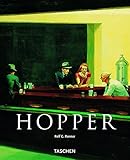
Munch
Product Description
Munch
- Paperback With Dual Flap Front And Back Covers
- Full Color
<div class="margin-bottom" id="description_text_headlines"> <div> <strong>Fear, desperation, and death: Painting as an act of self-liberation</strong></div> <div>  </div> </div> <div class="description_text"> <div class="margin-bottom" id="description_text"> For Edvard Munch (1863-1944), painting was an act of self-liberation. His treatments of fear, desperation, and death still exert a powerful visual and psychological effect on modern viewers. Of all Munch€s paintings, "The Scream" (1893), representing a figure tortured by horror, is the most well-known-and certainly one of the most expressive.<br /> <br /> The artist reflected his innermost feelings in his work: "In reality, my art is a free confession, an attempt to clarify to myself my own relation to life..." Although Edvard Munch cannot be clearly identified with any single movement, he is deemed a pioneer of Expressionism.</div> <div class="margin-bottom">  </div> <div class="margin-bottom" id="series_text" style="display: block;"> <strong>About the Series:</strong><br /> Each book in TASCHEN€s Basic Art series features:<ul> <li>a detailed chronological summary of the life and oeuvre of the artist, covering his or her cultural and historical importance</li> <li>a concise biography</li> <li>approximately 100 illustrations with explanatory captions</li> </ul> </div> </div>