
Literary Theory: An Introduction
Product Description
Literary Theory: An Introduction
- Used Book in Good Condition
<DIV><P>€œThis concise and lucid volume offers a satisfying survey of all the major theories, from structuralism in the 1960s to deconstruction today, that have made academic criticism both intriguing and off-putting to the outsider.€ €"New York Times Book Review</I></P><P> </I></P><P>€œLiterary Theory</I> has the kind of racy readability that one associates more often with English critics who have set their faces resolutely against theory. It€s not just a brilliant polemical essay; it€s also a remarkable feat of condensation, explication, and synthesis.€ €"Sunday Times </I>(London)</P><P> </P><P>€œA concise guide to the most interesting and mystifying trends in the study of literature over the last fifty years.€ €"The Nation</I></P><P> </P><P>This classic work covers all of the major movements in literary studies in this century. Noted for its clear, engaging style and unpretentious treatment, Literary Theory</I> has become the introduction of choice for anyone interested in learning about the world of contemporary literary thought.</p><P> </P><P>On the twenty-fifth anniversary of Literary Theory</I>€s debut, Terry Eagleton reflects on the state of theory in academia today, the growth of antitheory (itself an interesting theoretical subject), its common-if problematic-place among survey coursework, and theory€s continued relevance to scholarly pursuits. In this contemporary, retrospective moment, as scholars critically analyze the incredibly broad impact of the theoretical movement, Literary Theory </I>remains an essential initiation to the intellectually stimulating world of theoretical analysis.</P><P> </P><P>Terry Eagleton is John Edward Taylor professor of English literature at the University of Manchester. His numerous books include The Meaning of Life, How to Read a Poem,</I> and After Theory.</I></P></DIV>
Technical Specifications
You might also like
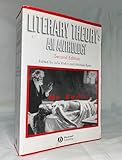
Literary Theory: An Anthology, 2nd Edition

How to Read Literature

Literary Theory: A Very Short Introduction

Introducing Cultural Studies: A Graphic Guide

The Norton Anthology of Theory and Criticism

The System of Dante's Hell (AkashiClassics: Renegade Reprint Series)

Howl: A Graphic Novel

Beginning Theory: An Introduction to Literary and Cultural Theory

After Theory
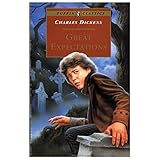
Great Expectations (Case Studies in Contemporary Criticism)