
Assertive Discipline: Positive Behavior Management for Today's Classroom (Building Relationships with Difficult Students)
Product Description
Assertive Discipline: Positive Behavior Management for Today's Classroom (Building Relationships with Difficult Students)
- Used Book in Good Condition
<p><b>Winner: Association of Educational Publishers 2010 Distinguished Achievement Award</b></p> This book contains the best concepts and teacher-tested strategies by the author plus new content. A special emphasis on the needs of new and struggling teachers includes practical actions for earning student respect and teaching them behavior management skills. The author also introduces a real-time coaching model and explains how to establish a schoolwide Assertive Discipline program. </p> <p><b>Benefits: </b> <ul><li>Learn how to become an effective classroom manager. </li> <li>Explore how social developments have redefined the teacher's role. </li> <li>Utilize a proactive approach to help students succeed. </li> <li>Strike a balance between establishing a disciplined classroom while building trusting and caring relationships with students. </li> <li>Create a classroom discipline plan. </li> <li>Teach students the discipline plan. </li> <li>Motivate the majority of students to behave appropriately. </li> <li>Involve parents and administrators to support the most challenging students. </li> <li>Use the Real Time Classroom Coaching Model. </li> <li>Establish a schoolwide Assertive Discipline® program. </li></ul></p> <p><b>Contents: </b> <BR>Section One: Becoming an Effective Classroom Manager <BR>Chapter 1: You Can Be an Effective Classroom Manager <BR>Chapter 2: Develop Your Teacher Voice <BR>Chapter 3: Hold High Expectations</p> <p>Section Two: Developing Your Classroom Discipline Plan <BR>Chapter 4: Establish Rules <BR>Chapter 5: Determine Positive Support Strategies <BR>Chapter 6: Determine Corrective Actions</p> <p>Section Three: Teaching Responsible Behavior <BR>Chapter 7: Teach Policies and Procedures at the Beginning of the School Year <BR>Chapter 8: Develop a Responsible Behavior Curriculum</p> <p>Section Four: Utilizing the Behavior Management Cycle <BR>Chapter 9: Effectively Communicate Explicit Directions <BR>Chapter 10: Utilize Behavioral Narration <BR>Chapter 11: Take Corrective Actions <BR>Chapter 12: Teach Students to Manage Their Own Behavior</p> <p>Section Five: Reducing Disruptive Behavior <BR>Chapter 13: Instructional Strategies That Reduce Disruptive Behavior</p> <p>Section Six: Working With Difficult Students <BR>Chapter 14: Build Positive Relationships With Students <BR>Chapter 15: Develop Individualized Behavior Plans <BR>Chapter 16: You Can't Do It on Your Own: Getting the Support You Need to Deal With Difficult Students <BR>Appendix: Mentors, Coaches, and School Leadership Teams: Structures to Support Classroom Teachers' Behavior Management Efforts</p>
Technical Specifications
You might also like

Fred Jones Tools for Teaching: Discipline, Instruction, Motivation
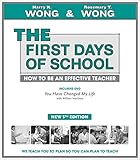
THE First Days of School: How to Be an Effective Teacher (Book & DVD)

Dynamic Physical Education for Elementary School Children (18th Edition)

Engagement by Design: Creating Learning Environments Where Students Thrive (Corwin Literacy)

The First Days of School: How to Be an Effective Teacher (Book & DVD)

Age of Opportunity: Lessons from the New Science of Adolescence

The Quality School Teacher: A Companion Volume to The Quality School

Assertive Discipline for Parents: A Proven, Step-by-Step Approach to Solving Everyday Behavior Problems

Beyond Discipline: From Compliance to Community, 10th Anniversary Edition

The Complete Idiot's Guide to Child and Adolescent Psychology